Hardly anyone walks into the clinic saying "I think I have a fatty liver." The story usually starts somewhere else. A woman from Deer Park gets her routine diabetes labs back and two liver numbers are flagged. A plant worker who passes everything else hears that his fat levels are "a little high" and admits his belt has needed new holes over the last few years. A young guy with no complaints at all reads the word steatosis on a report and panics. Each of them ends up asking the same thing: so what test comes next?
Quite often, the answer is an abdominal ultrasound. This post walks through what that scan can reveal about your liver, where it falls short, and which daily habits actually make a difference, without any miracle cures.
Fatty liver in plain words
A healthy liver stores a little fat. Fatty liver means too much of it has built up inside the liver cells. These days you may also hear it called metabolic dysfunction-associated liver disease, because it travels with high blood sugar, extra weight around the waist, high triglycerides and high blood pressure. There is also an alcohol-related form, which can develop in people who drink often or heavily even if they never feel drunk.
What surprises most patients is that it usually causes no pain and no warning signs early on. According to the National Institutes of Health (NIDDK) and MedlinePlus, many people live with it for years without knowing, and in some of them the fat comes with inflammation that can slowly scar the liver. That is why a flagged lab result deserves attention even when you feel fine.
Who is more likely to have it
This is not meant to scare you. It is a way to know whether you should bring the subject up:
- Type 2 diabetes or prediabetes, especially if your A1C has been running high.
- Being overweight, and above all carrying extra weight around the waist.
- High triglycerides or low HDL cholesterol.
- High blood pressure.
- Drinking regularly, even if it is "just a few beers" every weekend.
- Relatives with liver problems or diabetes.
Having one or more of these does not mean your liver is damaged. It means the clinic's medical team will probably want to take a closer look.
What the abdominal scan can show about the liver
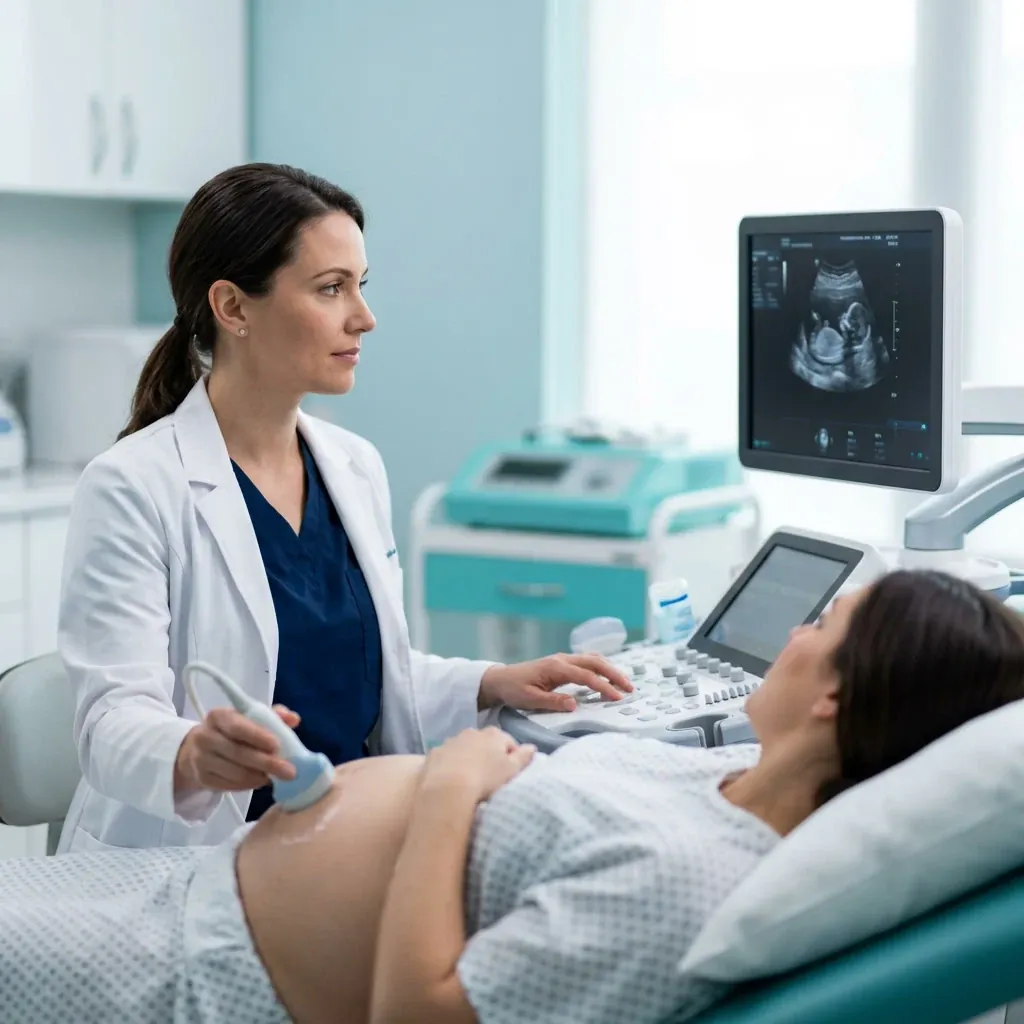
Our ultrasound page explains that the abdominal study looks at the liver, gallbladder, pancreas, spleen and kidneys, and that it helps when liver tests come back abnormal. There is no radiation involved: a cool gel goes on your skin, the probe slides along your right side under the ribs, and the picture of the organ appears on the screen.
A liver with extra fat tends to look brighter than normal on the image, which is described as an "echogenic" liver. That brightness suggests fat is present, but it does not measure it precisely. Here is a realistic picture of what to expect:
| What the image can suggest | What the image alone cannot settle |
|---|---|
| A brighter liver, consistent with fat | The exact amount of fat |
| Whether the liver looks enlarged | Whether there is active inflammation |
| How the gallbladder, spleen and kidneys look nearby | How much scarring (fibrosis) there may be |
| Findings worth watching or studying further | A final diagnosis on its own |
Put simply, the ultrasound is one piece of the puzzle rather than the whole answer. A normal-looking scan does not completely rule out a mild problem, and a bright liver does not tell you by itself how far along things are.
Reading it next to your blood work
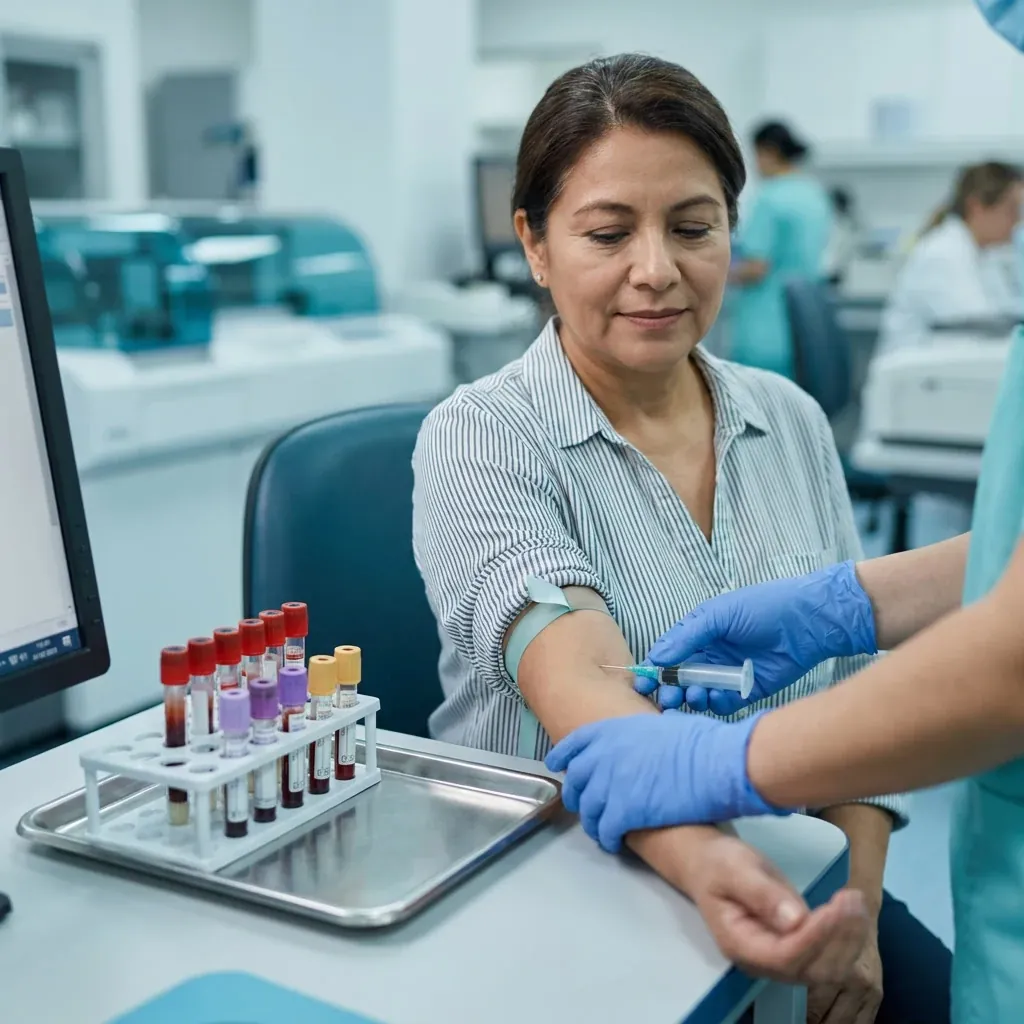
The image makes sense once it sits beside the numbers. Blood work covers liver function tests along with glucose, A1C and lipids, among other values. The clinic's medical team pulls everything together: what the labs showed, what appeared on the screen, the medicines you take, how much you drink and your family history.
From there, the next step gets decided. Sometimes it is enough to repeat the labs later while you work on habits; other times it makes sense to look for other causes of high enzymes, such as certain medications or hepatitis. If your case calls for a test that measures liver stiffness or another more specialized exam, the medical team points you toward the right referral and hands you the report and images so nothing has to be repeated from scratch.
If you are scheduled for the abdominal scan, the only prep our page asks for is a 6 to 8 hour fast beforehand, with plain water allowed.
Habits that are good for your liver
Forget detox teas, juice cleanses and miracle pills. The advice from U.S. health agencies is simpler than that, and it rewards consistency:
- Lose weight gradually, if you were told to. Dropping part of your weight slowly tends to help the liver hold less fat. Crash diets and very long fasts are a bad idea, because losing weight too fast can strain the liver too.
- Move most days. A brisk walk along Sylvan Beach after your shift, taking the stairs or chasing the kids around the yard all count. Activity helps even when the scale moves slowly.
- Change what you drink. Soda, boxed juice, sugary aguas frescas and energy drinks pile up calories the liver turns into fat. Switching to plain water is one of the changes that shows up most clearly in triglyceride numbers.
- Be honest about alcohol. With a fatty liver, cutting way back or quitting is the safest path. Mention it at your visit without embarrassment; it changes how your results are read.
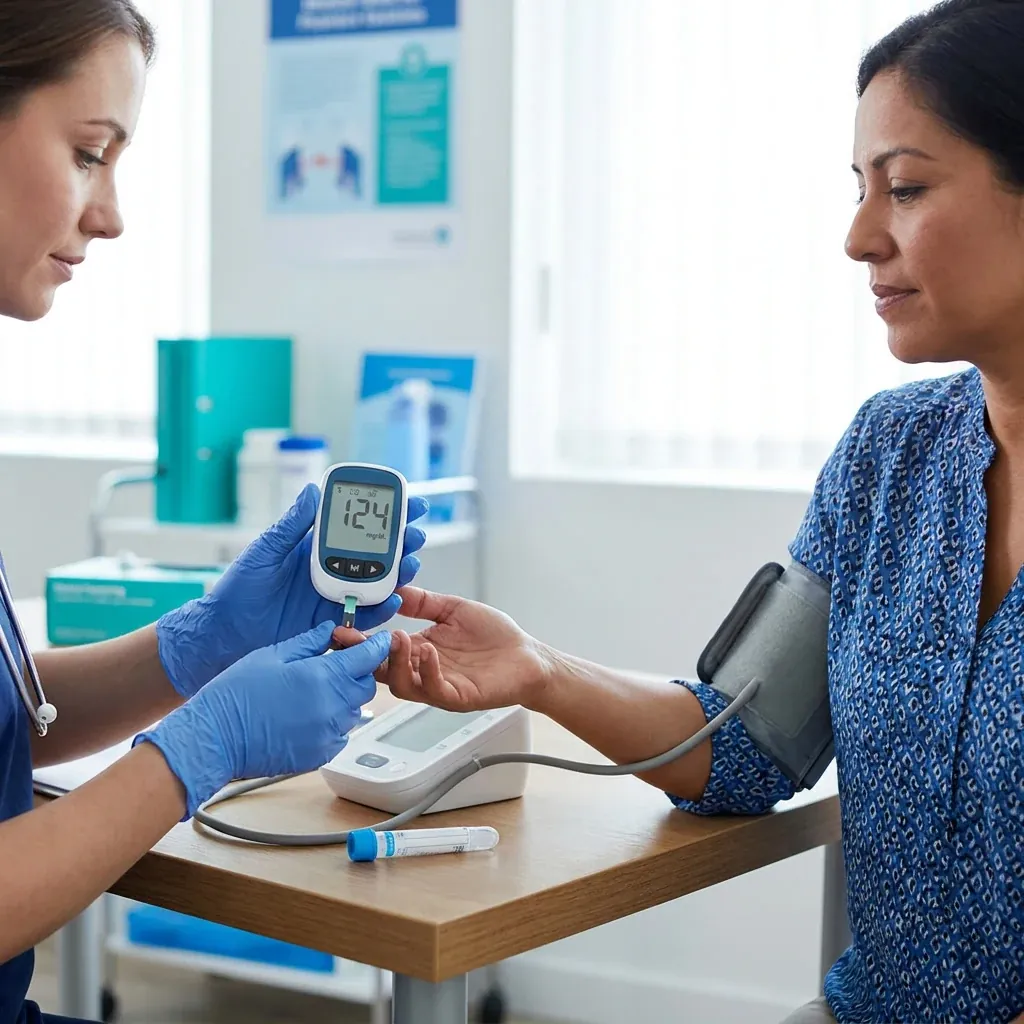
- Keep diabetes and blood pressure in check. Good control of glucose and pressure protects the liver as well. That is the purpose of the clinic's diabetes, blood pressure and cholesterol care.
- Tell us what you take. Some home remedies, herbal supplements and over-the-counter medicines, taken for a long time or in high doses, can burden the liver. Bring the bottles with you.
None of these changes works on a set timeline, and every body responds differently. What matters is repeating your labs when the medical team recommends it, so you know whether you are heading in the right direction.
When not to wait for an ultrasound
Fatty liver is usually quiet, but some symptoms call for emergency care rather than an appointment next week. With any of the following, the emergency room or 911 comes before any scan at the clinic:
- Skin or eyes turning yellow suddenly.
- Vomiting blood or something that looks like coffee grounds, or black, tar-like stools.
- Severe belly pain, or belly pain with a high fever.
- A belly that swells quickly, confusion or unusual drowsiness.
- Vomiting that will not stop and keeps you from holding down fluids.
Told your enzymes are high? Start here
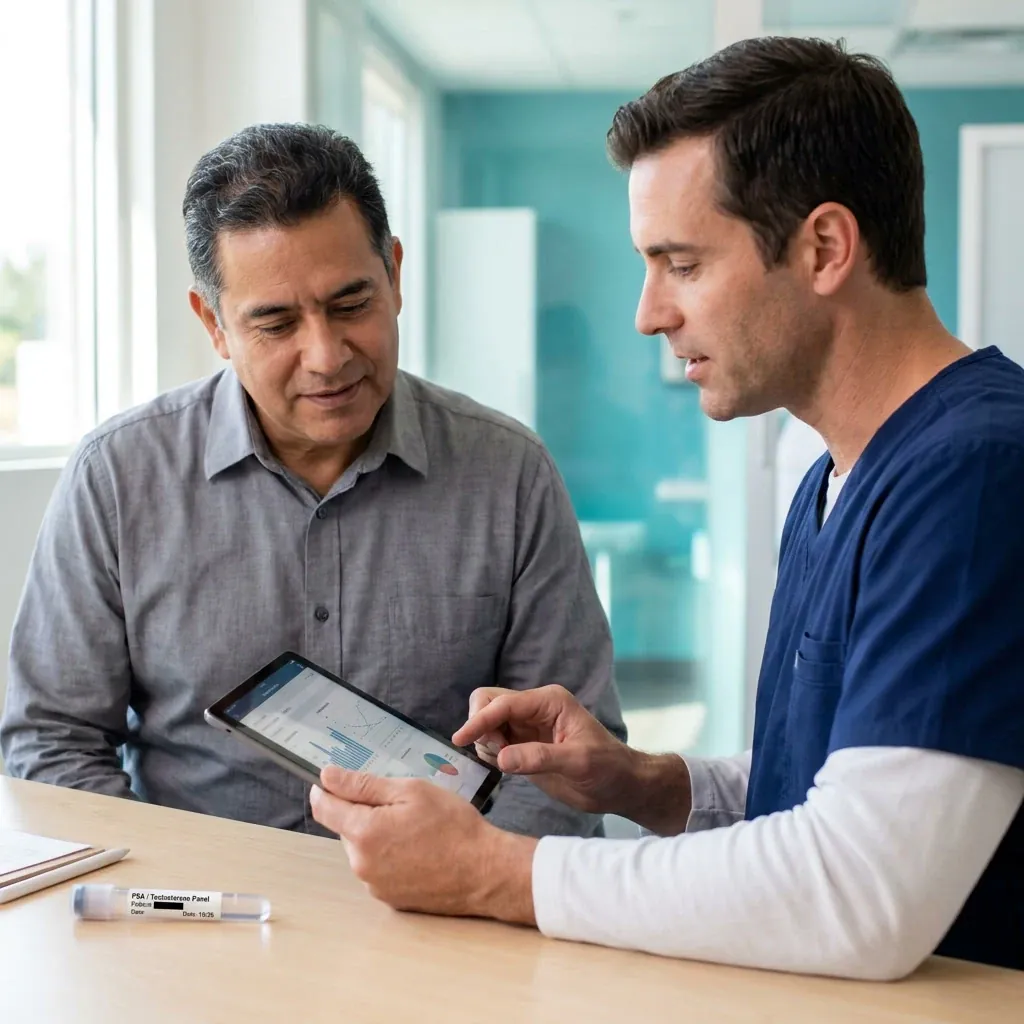
At Clínica Hispana Nueva Salud La Porte, in the 77571 ZIP code, the abdominal ultrasound is done right in the clinic, no referral or insurance is needed, and the medical team walks you through what the images show in Spanish or English. For men who have gone years without a checkup, the men's health visit includes liver function, weight and waist measurement, exactly the details that help explain a bright liver on the screen. Give us a call before coming in to ask about the study you need, and bring any older lab results: comparing this year's number with last year's tells far more than a single value.